BSP: Private credit must prepare for higher rates and greater dispersion
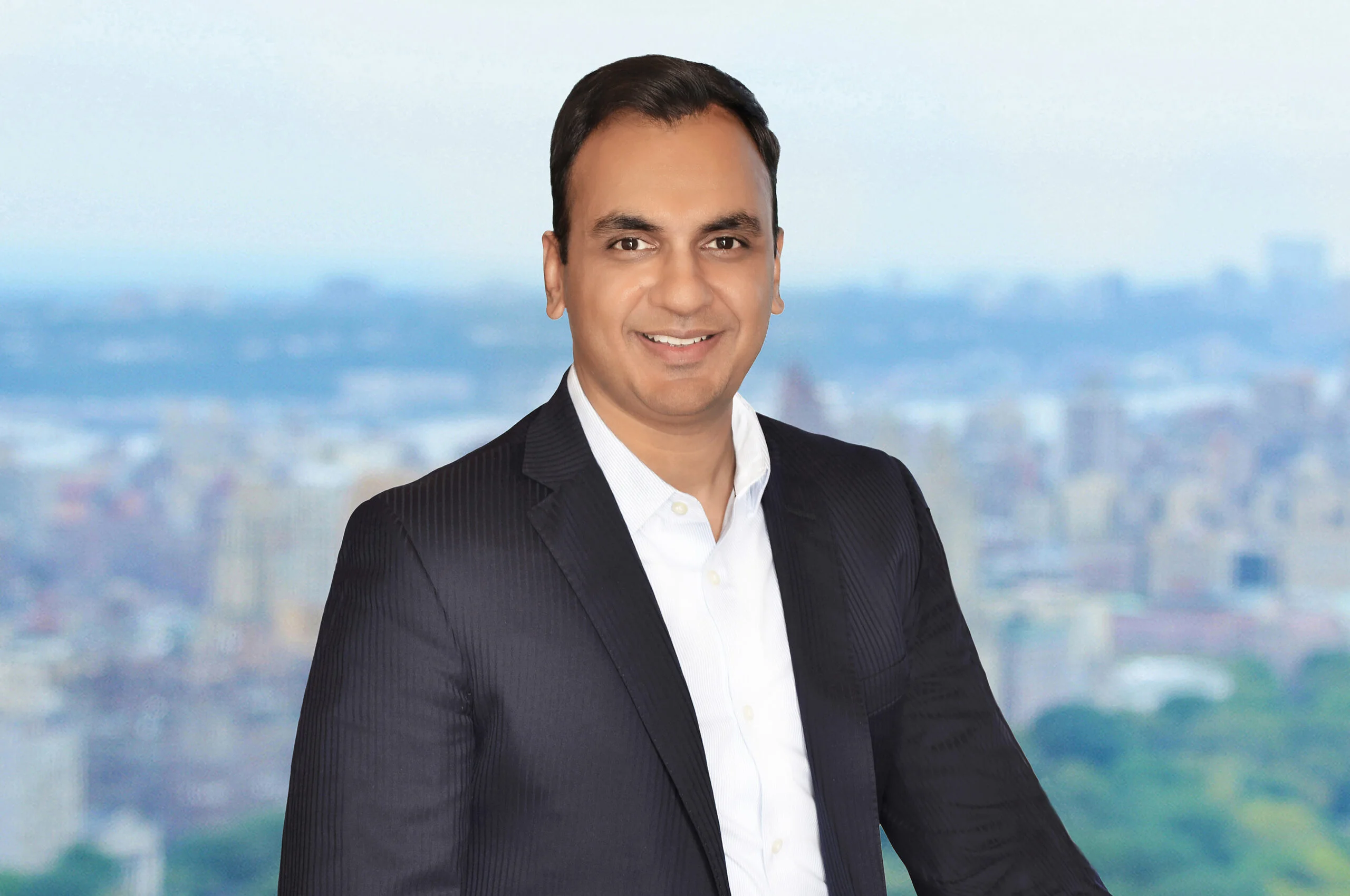
With the Fed holding rates at 3.5 per cent-3.75 per cent and removing any notion of a bias towards rate cuts, private credit managers should be underwriting for rate hikes, according to Anant Kumar, global investment strategist at Benefit Street Partners (BSP).
“For direct lending, higher rates are not straightforwardly positive. They increase income for lenders, but also place additional pressure on borrowers that have already been carrying an elevated interest burden for several years,” he said.
Read more: Private credit firms “pivoting in” to infrastructure finance
He said that some of the market adjustment is already visible, and spreads have widened by around 50 to 100 basis points since late 2025 and stress is becoming harder to disguise.
Headline default rates range from 1.6 per cent to 4.7 per cent depending on whether distressed exchanges are included, and Moody’s estimates that around 65 per cent of last year’s defaults took the form of distressed exchanges and restructurings rather than missed payments.
“This matters because the same rate environment will produce very different outcomes across borrowers, loans and managers.
“Well-documented, diversified portfolios backed by experienced workout teams should be better placed to navigate a prolonged period of higher rates. By contrast, 2021-vintage structures underwritten on the assumption that base rates would quickly normalise may face a much more difficult path.”
Read more: AllianceBernstein says institutional interest in private markets behind alts inflows
“We are entering an era of dispersion. The direction of rates still matters, but it will not determine returns on its own. The ability to distinguish between stronger and weaker borrowers, identify where stress is building and intervene early will increasingly decide where private credit returns are made.”