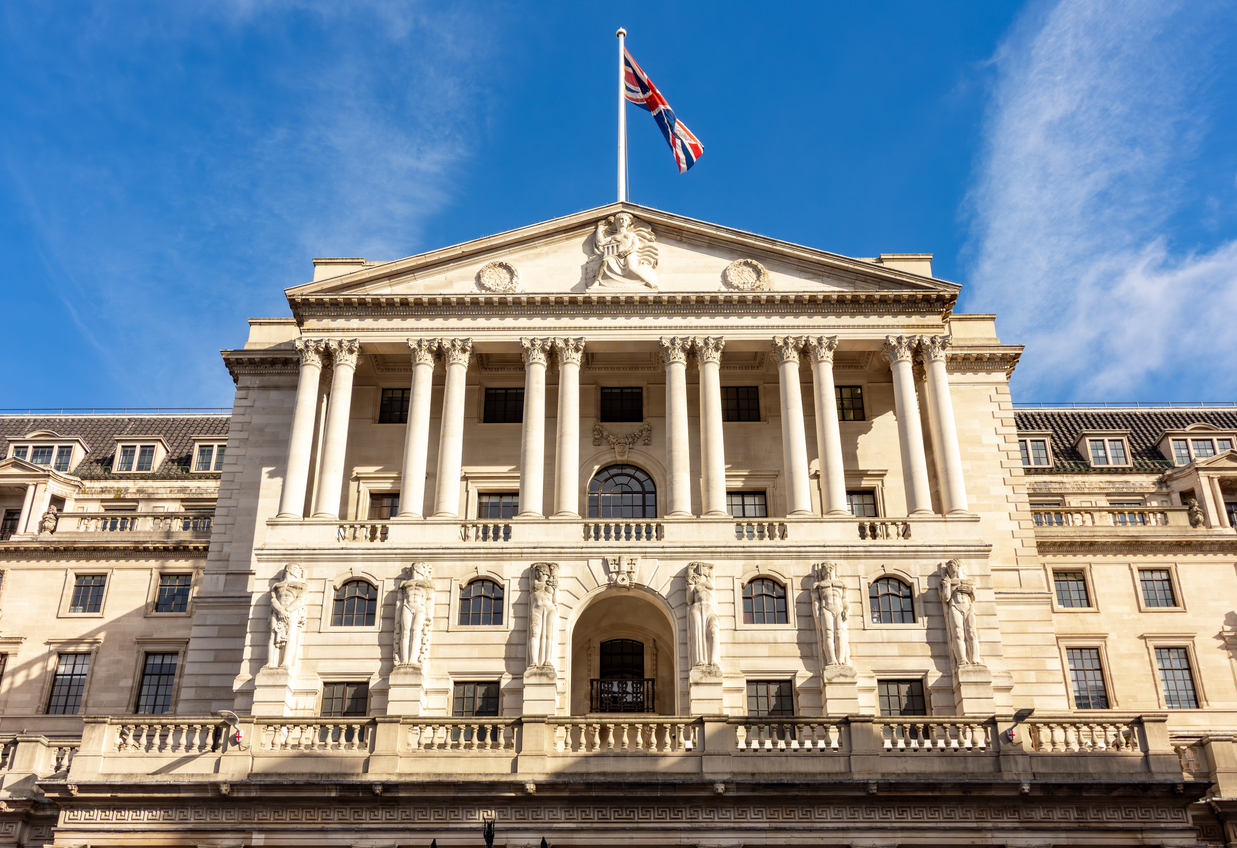
UK net borrowing declined in February
Net mortgage and consumer borrowing declined in February 2025, amid stagnant economic growth and low consumer confidence.
According to the Bank of England’s latest money and credit statistics, net borrowing of mortgage debt by individuals decreased by £0.9bn to £3.3bn in February. This followed an increase in net borrowing of £0.8bn in January.
Net mortgage approvals for house purchases decreased by 600 to 65,500 in February, while approvals for remortgaging decreased by 800 to 32,000, following an increase of 2,100 in the previous month.
Meanwhile, net consumer credit borrowing by individuals was £1.4bn in February, down from £1.7bn the previous month. Within this, net borrowing through credit cards decreased to £0.8bn from £1.1bn.
Read more: Increase in dealmaking expected for 2025
Alice Haine, personal finance analyst at Bestinvest by Evelyn Partners, suggested that despite the central bank’s policy of easing the base rate, consumer confidence remains low among UK borrowers. She warned that further pain may be ahead for borrowers who are nearing the end of loan terms which were secured before the Bank of England began hiking interest rates in December 2021.
“The cost of servicing debt, particularly personal loans, remains high, so anyone with continuing financial concerns, such as niggling credit card debts or bulging overdrafts should craft an action plan to pay off those liabilities as quickly as possible,” Haine added.
“Awful April is almost upon us, so now is the time to draw up a fresh budget and consider any cutbacks that can be made to keep finances on track.”
The Bank of England found that households’ deposits with banks and building societies increased by £4.3bn in February, following net deposits of £8.7bn in January. This was mostly driven by households depositing an additional £3.6bn into ISAs.
Read more: Private credit market set for significant growth in 2025
“The surge in cash ISA deposits in February was encouraging as it signals that more savers are aware of the importance of ensuring savings are as tax efficient as possible,” added Haine.
“The future of the cash ISA has since been called into question, with the government confirming in the Spring Statement that it will consider reforms to ISAs to achieve the right balance right ‘between cash and equities’.
“Whatever the decision is made about ISAs in the future, remember that a cash ISA might work well for short-term savings goals, but investment ISAs are more suited for long-term savings targets with a time horizon of five years or more – that’s a long enough period to ride out short-term volatility in the financial markets.”
Read more: Boost for property lending as UK mortgage approvals climb