Arcmont chief blasts “self-serving” cockroach comment
The “cockroach issue” was “an incredibly self-serving comment” relating to two bank deals rather than an intrinsic problem with private credit, according to Anthony Fobel, chief executive of Arcmont Asset Management.
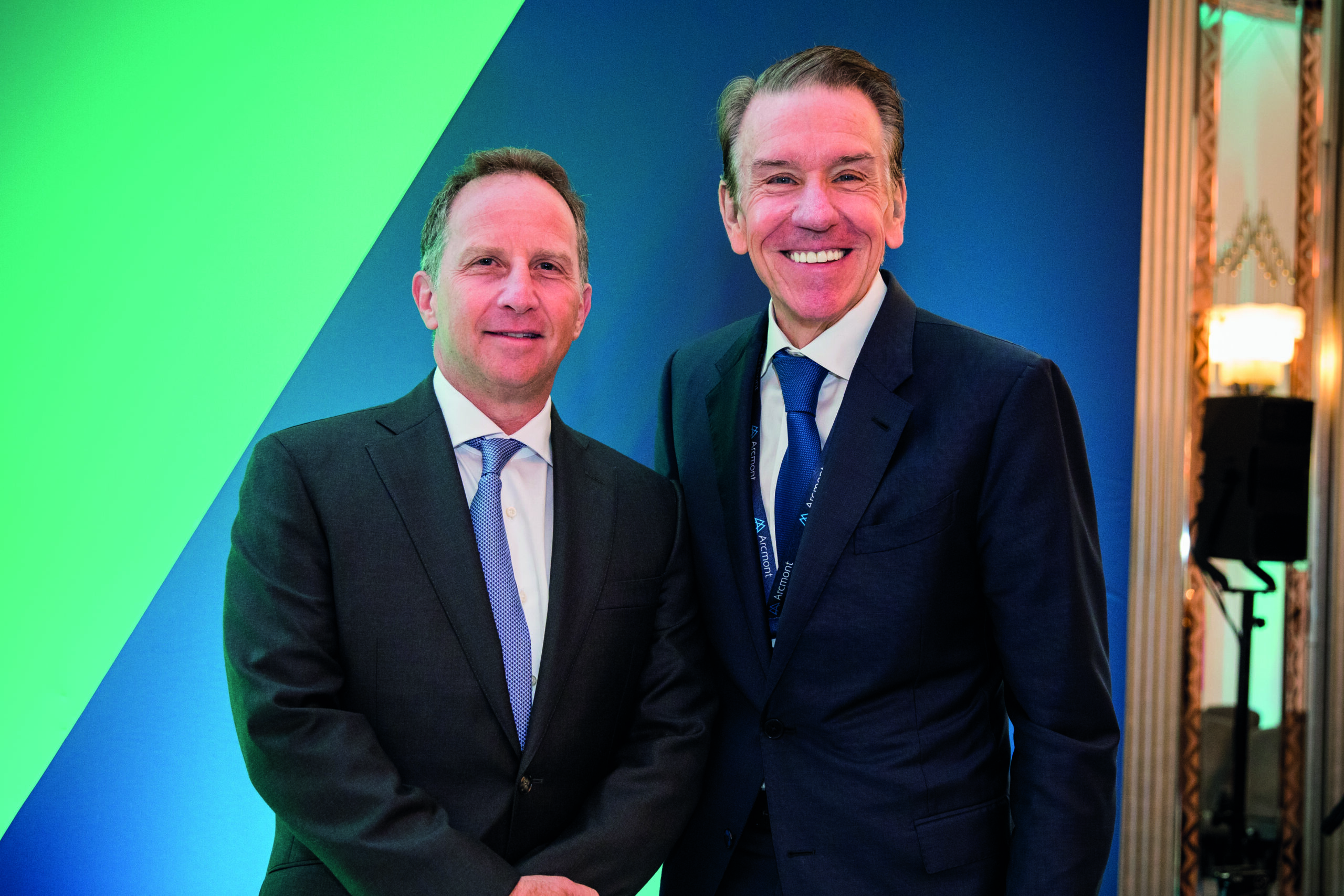
At a Nuveen Private Capital media roundtable earlier this week, Fobel (pictured left) said he was “baffled” by recent commentary around private credit returns, highlighting his asset management firm’s 0.1 per cent annualised loss ratio and 15 consecutive quarters of EBITDA growth in the portfolio.
He said that the performance of the private credit industry has been “absolutely rock solid” and that people were conflating different issues.
His comments come at a challenging time for private credit’s reputation in the market, amid retail investor jitters in the US around software exposure and concerns about underwriting standards after some high-profile corporate bankruptcies left creditors out of pocket last year.
In October 2025, JP Morgan boss Jamie Dimon warned that the bankruptcies of auto lenders Tricolor and First Brands were signs of wider problems in the private credit sector, saying, “when you see one cockroach, there’s probably more”.
Read more: “One cockroach does not a trend make”
Fobel contested the cockroach analogy, saying: “what are those banks looking to do? Set up private credit funds.”
Ken Kencel (pictured right), chief executive of Arcmont’s sister company Churchill Asset Management, also defended the sector. He noted private credit’s position in the capital stack above private equity, arguing that “the narrative has it upside down”.
He highlighted Churchill’s recent record $16bn (£11.8bn) capital raise for its senior lending strategy, commitments of $5bn in the first quarter and record levels of investment activity.
The software issue
Arcmont and Churchill are collectively 98 per cent institutionally funded so have not had to weather the investor outflows and gating of funds that some US managers have experienced recently due to concerns around private credit’s exposure to software companies, which are at risk of being upended by artificial intelligence (AI).
Kencel said that Churchill’s total software exposure is five per cent of its portfolio, with just one per cent of its companies exposed to AI risk.
Arcmont’s software exposure accounts for 15 to 20 per cent of its portfolio, Fobel said, with eight per cent of that potentially at risk of AI disruption.
It was suggested during the event, held in London, that the rapid rise of retail investment into private credit had put some managers under pressure to deploy funds very quickly, with Kencel saying that he had seen managers “veer off” into large software loans.
However, Fobel maintained that software is “a fantastic part of the portfolio if you pitch the right deals” and noted that “software has not spooked institutional investors”.
Separately, both bosses criticised the uptick in payment-in-kind loans, arguing that these facilities were being used to replace equity investments into early-stage, high-growth companies that could not yet afford to service their debts.