Leste’s LNL Capital targets opportunities in net lease financing in US
Leste Group, an alternative investor with $2.4bn (£1.8bn) of assets under management, has launched a business to fund triple-net lease commercial real estate assets throughout the US.
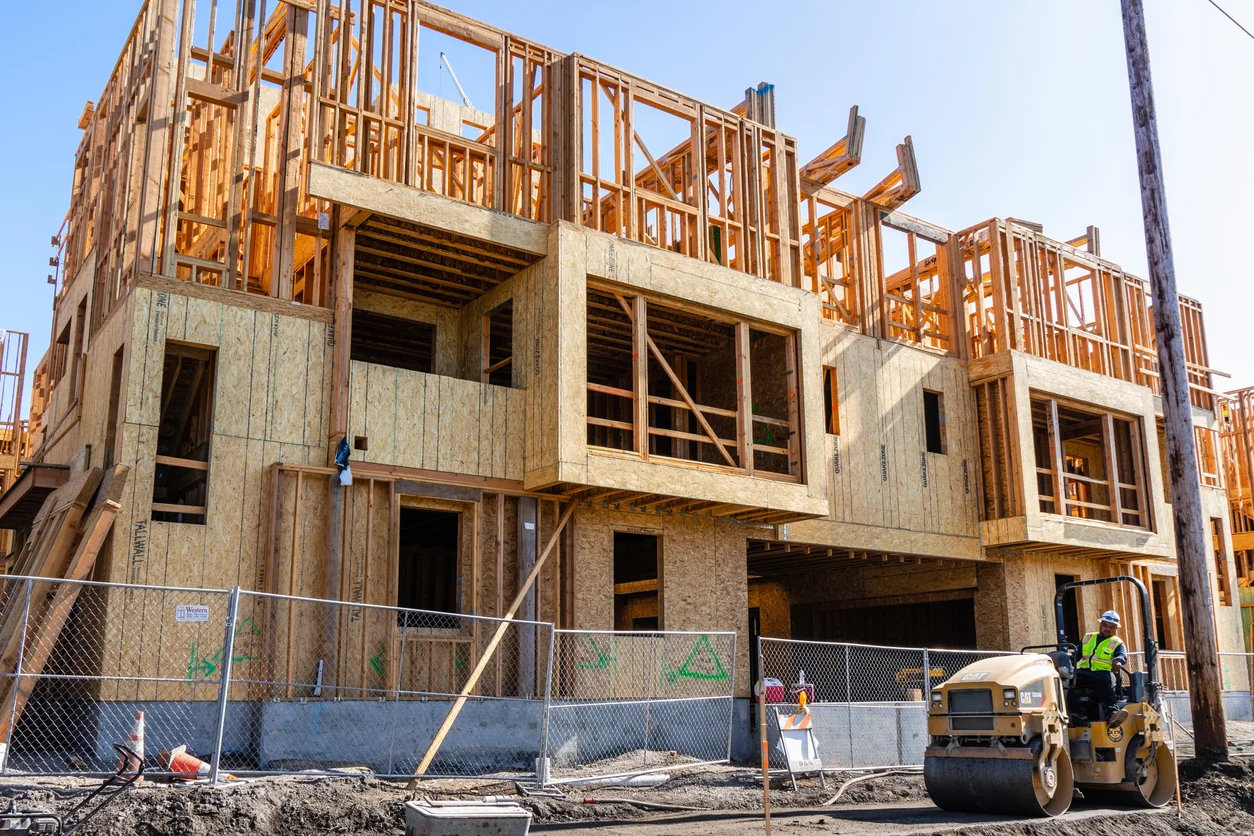
LNL Capital focuses specifically on providing construction financing to investors in this asset class, where it sees attractive growth opportunities as banks rein in their lending.
“Net lease financing is the closest proxy to a fixed income investment with real estate,” Joe Yiu, partner at LNL Capital, told Alternative Credit Investor.
Read more: Blue Owl expands into real estate finance
“I believe the investment is better than corporate bonds or middle market loans because you’re secured by the real estate.
“These deals are often priced wider than fixed income bonds in the marketplace, because of the ‘illiquidity’ premium applied to real estate, but the reality is that you have better security in a hard asset.”
Yiu highlighted that a lot of banks in the US have pulled back from providing mortgages or construction financing to commercial real estate in its entirety.
Read more: Ares launches equipment finance company
“Because capital requirements for commercial real estate have increased, it is no longer profitable for them to be making construction loans,” he added.
LNL Capital provides construction financing to the net lease market. Its construction projects are fully pre-leased, so there is no speculation on proforma rents. Upon construction completion, the corporations begin paying rent on their long-term triple-net lease. In triple-net leases, the tenant pays for all operating expenses, taxes, and insurance.
Loans have a typical duration ranging from 24 months to 36 months and can potentially be extended to five years.
“Many investors continue to acquire triple-net properties because of its long-term predictable cash flow stream,” said Yiu. “LNL Capital launched this debt platform to fill the current void in the capital markets. Developers, investors, and corporations in the triple-net sector are all prospective borrowers for LNL Capital.”
Read more: Private credit funds can capitalise on real estate market challenges
LNL Capital has attracted a range of investors including insurers, pension funds, endowments and large family offices. Yiu said that the team is currently talking to family offices and registered investment advisersthat have high-net-worth investors who are interested in investing in the strategy because of its transparency.
Since launching eight months ago, LNL Capital has closed 47 loans and is targeting $1bn in volume in next 12 months.
Yiu noted that there are plenty of growth opportunities for this asset class in the US, in areas such as retail and manufacturing.
“For example, many retailers have had to reformat their footprints in light of changing consumer habits,” he said. “Most US consumers are very focused on convenience, which is being reflected in the increase in drive-thru locations. Starbucks now makes more money on a 1,500 to 1,900 square foot facility where they leave most of the real estate for drive-thrus.
“Additionally, the US is focused on onshoring manufacturing and distribution facilities, so we’re seeing an uptick in construction activity for corporations looking to do this.”